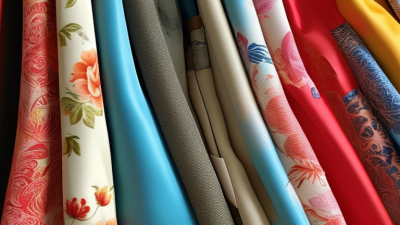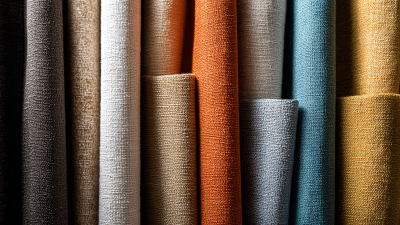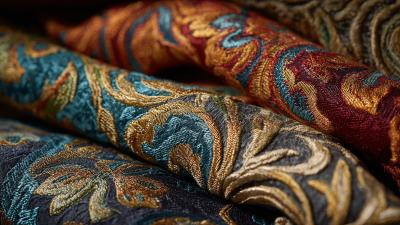
Choosing carole drapery fabric for global sourcing requires more than attractive color selection. The right fabric must perform across climates, interiors, and supply chains. A soft ivory textile may look elegant in a showroom, yet show wrinkles quickly under strong sunlight. Weight, weave, fiber content, abrasion resistance, and lightfastness deserve careful review. Small details matter.
Experienced sourcing teams begin with a clear specification sheet. It should include width, usable repeat, fabric weight, finish, packaging method, and acceptable color variation. Request physical samples from several qualified mills. Compare them under daylight and warm indoor lighting. Ask for test reports when performance claims affect purchasing decisions. Relevant certifications can support responsible material selection, but certificates should be verified with the issuing organization. Never rely on a logo alone.
Global procurement also requires practical judgment. Minimum order quantities, lead times, port handling, currency changes, and replacement policies can reshape the real cost. A supplier may offer a low price but provide inconsistent dye lots. That risk is easy to underestimate. Build a small pilot order into the plan. Inspect seams, drape behavior, odor, and surface stability after handling. Keep records of sample approvals and production changes. The process will not be perfect. Human color judgment varies, and laboratory results may not mirror every room. Still, disciplined testing makes decisions more reliable. This guide explains how to evaluate carole drapery fabric with professional care, supplier evidence, and realistic expectations.

Start with fiber. Textile Exchange’s 2024 Materials Market Report estimates global fiber production reached 124 million tonnes in 2023. Polyester represented about 57%, while cotton accounted for roughly 19%. These figures show availability, not automatic suitability.
Polyester can offer stable color and lower creasing. Cotton may provide a softer, more natural hand. Blended yarns can balance both. I have learned that “premium” often means nothing without test results.
Width affects cutting waste and installation quality. Record finished width, usable width, and roll tolerance separately. A 280-centimeter fabric may lose several centimeters after coating or edge trimming. Ask for actual inspection records.
GSM also needs a clear target. Light sheers may sit below 100 GSM, while lined or blackout constructions can exceed 250 GSM. ISO 3801 provides a recognized method for measuring fabric mass per unit area.
Small differences matter. A heavier fabric may improve drape but increase shipping cost and rail load.
Specify flame behavior requirements, colorfastness, shrinkage, dimensional stability, and coating adhesion for each market. AATCC colorfastness methods can support consistent evaluation, while independent laboratory reports improve sourcing confidence.
Request washed, conditioned, and hanging samples. Photos hide uneven coating. Samples can also mislead.
Review at least two production lots before approval, because the first roll is not always representative.
Choosing drapery fabric for global sourcing starts with measurable performance targets, not appearance alone. For sunlit rooms, specify ISO 105-B02 lightfastness at Grade 4 or higher. This benchmark helps reduce fading under controlled xenon-arc exposure. It does not guarantee identical performance in every climate.
Request laboratory reports before approving bulk production. Check the test method, fabric composition, color, and sampling date. A deep navy may react differently from a pale beige. Ask for the original report, not only a supplier’s summary. Small details matter.
Abrasion resistance should reach at least 20,000 rubs under the agreed testing method. Confirm whether the supplier uses Martindale or Wyzenbeek results. These figures are not interchangeable. Compare like with like. Inspect the fabric after testing for pilling, yarn breakage, and surface glazing. A fabric can pass abrasion testing yet look tired beside a window. That is an inconvenient truth.
Order production-representative samples, then expose them near actual glazing when possible. Record daylight direction, lining type, humidity, and cleaning conditions. I would also test a sewn panel, because seams and folds can change stress patterns. One weakness remains: accelerated testing cannot fully recreate years of seasonal sunlight. Treat the standard as a filter, not a promise. Recheck shade approval before shipment.
Set clear performance targets before supplier evaluation. The minimum acceptance criteria shown below are ISO 105-B02 Lightfastness Grade 4 and at least 20,000 abrasion rubs.
When selecting carole drapery fabric for global sourcing, compliance should be checked before price. Request a current OEKO-TEX STANDARD 100 certificate from the supplier. Check its certificate number, product class, validity period, and covered fabric composition. A certificate for polyester cannot automatically cover a cotton blend. Keep a sealed sample beside the approval documents.
REACH review needs equal care. Ask for a written declaration covering substances of very high concern and relevant chemical restrictions. Confirm the declaration reflects the fabric, dyeing process, coating, and accessories. Requirements can differ by destination market. Independent laboratory testing is useful when records appear incomplete. Test samples from actual production lots, not only showroom swatches.
ISO 9001 confirms a quality management system, not chemical safety. Review how the factory controls incoming yarn, color matching, finishing, inspection, and shipment records. Traceability should connect one roll to its production date and inspection result. Corrective action records can reveal whether problems are genuinely managed. A certificate alone is not enough. I have seen polished documents fail to explain batch control. That gap deserves careful questioning. Fabric hand feel can also change after washing, storage, or coating. Recheck it. Export planning should include document updates, retesting triggers, and a clear response when composition changes.
For Carole drapery fabric, supplier evaluation should begin with measurable commercial terms.
Define MOQ by meters, rolls, colors, and dye lots. A low MOQ may hide higher prices or unstable shade matching.
Request a written lead-time plan covering lab dips, greige fabric, dyeing, inspection, and packing.
McKinsey’s 2020 supply-chain survey found that 93% of leaders planned to increase resilience. That finding supports realistic buffers, not optimistic promises. I usually add a few days for inspection. It still feels insufficient sometimes.
Incoterms must match your control level and freight knowledge.
FCA can give buyers stronger shipment control, while CIF may simplify booking but reduce visibility.
Under Incoterms 2020, confirm the named place, insurance responsibility, export clearance, and risk-transfer point.
UNCTAD reports that maritime transport carries over 80% of global merchandise trade by volume. Small delivery misunderstandings can therefore create expensive delays.
Use AQL 2.5 with ISO 2859-1 sampling guidance, but never treat it as permission for 2.5% defective fabric. The acceptance number depends on lot size and sampling level.
Inspect shade variation, width, GSM, weaving faults, stains, and snags. Ask for inspection photos beside a calibrated color standard.
One overlooked weakness remains common: buyers compare unit prices before comparing claim procedures, replacement timing, and evidence requirements.
How to Choose Carole Drapery Fabric for Global Sourcing
Calculate Landed Cost: Price, Freight, Duty, and a 5–10% Buffer
A fabric price is only the starting point. Calculate landed cost before approving any Carole drapery fabric order. Record the quoted price, quantity, freight, insurance, duty, and local handling fees. Ask the supplier for roll length, width, weight, and packing dimensions. These details can change freight costs sharply.
For example, assume 1,000 meters cost 8 dollars per meter. The goods value is 8,000 dollars. Ocean freight and insurance add 1,200 dollars. If duty is 12% of the customs value, duty equals 1,104 dollars. The pre-buffer cost becomes 10,304 dollars, or 10.30 dollars per meter. Add a 5–10% buffer for port storage, inspection, currency movement, or repacking. The working landed cost becomes about 10.82–11.33 dollars per meter.
Check the duty basis carefully. Some authorities calculate duty on goods plus freight, while others use different customs rules. Confirm the correct tariff classification with a licensed customs professional. Do not assume taxes are recoverable. That assumption can weaken your budget.
Use actual carton measurements, not estimates. A lightweight fabric with bulky rolls may cost more to ship than expected. I have seen small packing changes affect a quotation noticeably. The calculation can still be imperfect. Recheck it after receiving the commercial invoice, packing list, and freight quotation. Keep every assumption visible for internal review.