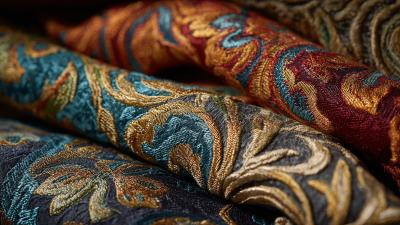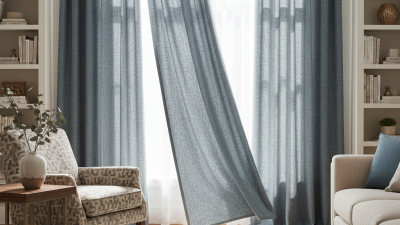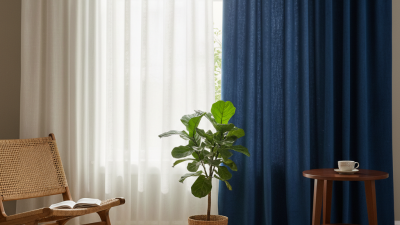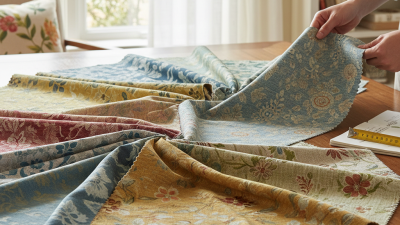
Choosing China’s top 10 drapery fabric suppliers in 2026 requires more than comparing catalogs or factory photos. The strongest candidates combine stable production, verified material quality, responsive communication, and practical export experience. Their collections may include linen blends, recycled polyester, velvet, jacquard, blackout cloth, and flame-resistant options. Yet appearance can mislead. A fabric that looks luxurious online may feel thin under showroom lighting.
This guide examines supplier capabilities through sample evaluation, manufacturing scale, customization services, testing documentation, minimum order quantities, and delivery performance. It also considers how suppliers handle color matching, repeat patterns, shrinkage control, and small design revisions. Charles Eames, a major design authority, said, “The details are not the details. They make the design.” That principle matters here. Seam weight, lining compatibility, selvage quality, and light filtration can change a finished room dramatically.
The ranking is useful, not absolute. Market conditions shift. Supplier teams change. Public information can remain incomplete. Some companies communicate beautifully but provide limited technical evidence. Others offer excellent production but weaker presentation. I may also overlook emerging manufacturers with smaller digital footprints. For that reason, buyers should request current samples, recent test reports, factory references, and written quotations before making a decision. A careful review can reduce costly surprises, especially when a project requires consistent dye lots across hundreds of meters. In 2026, the best drapery fabric partner will not simply sell attractive material. It will provide dependable evidence, honest limitations, and solutions that perform beyond the showroom.
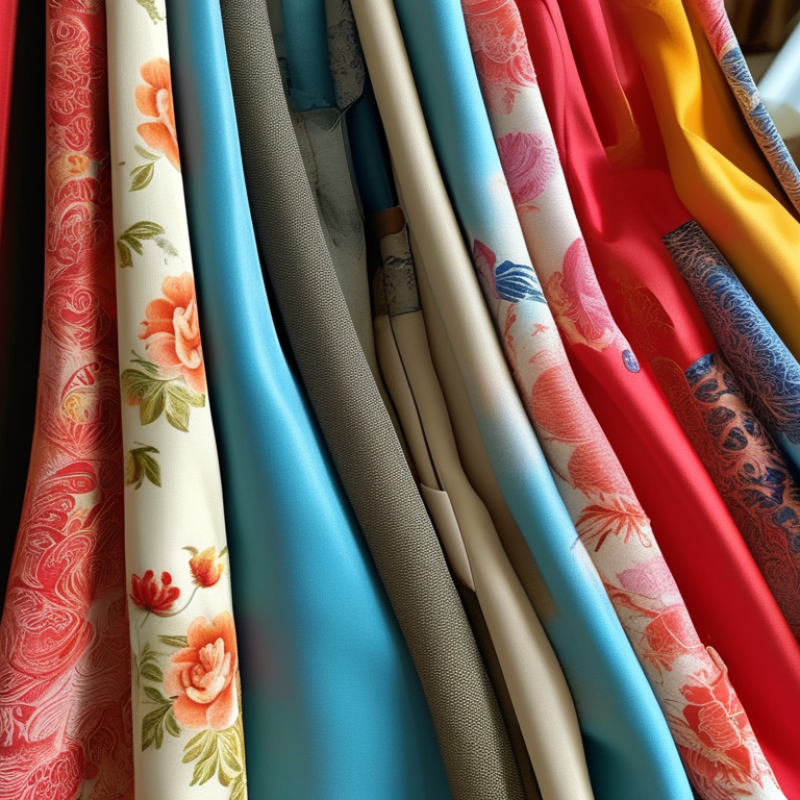
In 2026, China’s drapery fabric suppliers are evaluated through evidence, not attractive catalog images. Buyers examine fiber composition, fabric weight, width, colorfastness, and shrinkage after washing. A reliable supplier provides recent test reports and traceable production records. Samples must match bulk orders. Small differences matter.
Factory experience is also important. Evaluators review weaving equipment, dyeing controls, inspection procedures, and monthly capacity. They may visit the facility or request live video checks. Experienced teams explain technical limits clearly instead of promising everything. That honesty builds trust. Still, factory visits can show prepared conditions, so independent verification remains useful.
Sustainability and service now influence supplier rankings. Buyers look for documented recycled content, wastewater controls, safer chemical management, and transparent sourcing information. Certifications help, but certificates should be checked for scope and validity. Communication is tested through sample revisions, packaging details, lead-time updates, and responses to defects. I have seen excellent fabrics weakened by poor labeling or delayed feedback. No scorecard is perfect. Price should be compared with durability, replacement risk, and long-term performance. A practical evaluation also considers whether the supplier can adapt a weave, adjust a color, or solve a production flaw without hiding the problem.
China’s Top 10 Drapery Fabric Suppliers at a Glance offers a practical starting point for commercial buyers. The selection considers fabric range, production experience, sampling speed, quality control, and export support. It is not a permanent ranking. Market conditions change, and buyer requirements differ.
The ten suppliers represent several manufacturing strengths. Some focus on blackout fabrics for bedrooms and hospitality projects. Others produce linen blends, velvet, jacquard, sheer voile, or flame-resistant materials. Many support custom colors and repeated production. Buyers should request recent samples, technical specifications, and colorfastness reports before placing large orders. A fabric may look elegant under showroom lights but appear different beside a window.
Production details also matter. Ask about minimum order quantities, usable width, shrinkage, weight tolerance, and inspection procedures. Confirm whether sample colors come from actual production or digital references. Reliable suppliers usually explain lead times clearly and provide traceable documentation. Communication quality is another useful signal. Slow answers can create larger problems during approval and reordering.
No supplier is perfect. That caveat matters. One factory may offer excellent weaving but limited design support. Another may provide flexible sampling but longer delivery schedules. Buyers should compare complete costs, not only the quoted meter price. Small inconsistencies in texture, width, or dye lots can affect an entire interior project. Careful testing remains necessary, even when a supplier appears experienced and well established.
China’s leading drapery fabric suppliers serve different project needs. Their collections commonly include polyester blends, linen-look weaves, jacquards, velvet, and blackout fabrics. Each supplier profile should explain more than product variety. It should show production scale, quality controls, customization options, and market focus.
Some factories specialize in residential curtains with soft textures and flexible minimum orders. Others produce contract fabrics for hotels, offices, hospitals, and serviced apartments. Their capabilities may include digital printing, dobby weaving, wide-width production, coating, and flame-retardant finishing. Buyers should request current sample books, color cards, test reports, and production photographs. Factory audits can also reveal whether stated capacity matches actual equipment.
Lead time matters. So does communication.
Several suppliers support private-label development, while others prefer standard collections for faster shipment. Export experience can help with packaging, documentation, and shipment planning. Still, supplier information is not always complete or consistent. Some online profiles look impressive but provide few verifiable details. This is where careful comparison becomes necessary. Check shade consistency under daylight, fabric weight, shrinkage, and coating performance. A low quotation may hide higher sampling costs or weaker after-sales support. The strongest supplier is not always the largest; it is the one whose fabrics, capabilities, and market focus fit the project.
China Top 10 Drapery Fabric Suppliers in 2026?
Comparing quality requires more than touching a showroom sample. Check fabric weight, weave density, colorfastness, shrinkage, and seam performance. A practical buyer should request production samples, not only display cuts. Test a curtain after washing or steaming. Small differences become obvious near a sunny window. Suppliers with documented inspection procedures usually offer more reliable results, but paperwork cannot replace physical testing.
Pricing depends on fiber content, finishing, order quantity, packaging, and delivery terms. A low meter price may exclude sampling, custom dyeing, or export packing. Ask for a complete quotation with minimum order quantities and payment stages. Customization can include width, blackout coating, flame-resistant treatment, embroidery, and recycled fibers. Each option may increase cost and production risk. I have found that clear technical sheets prevent more disputes than enthusiastic sales promises.
Lead times deserve careful comparison. Stock fabric may ship within days, while custom colors can require several weeks. Confirm approval deadlines, weaving schedules, inspection dates, and the plan for rejected goods. A written timeline is useful, though it can still change during peak seasons. Do not trust an attractive promise without checking monthly capacity and previous delivery records. Some suppliers communicate quickly but provide weak after-sales support. That matters. A careful evaluation should balance laboratory results, factory experience, transparent pricing, customization control, and realistic delivery performance.
This anonymous 2026 benchmark compares typical China export-supplier ranges for drapery fabric. Quality and customization are scored from 0–100; price is shown in USD per meter, and lead time refers to standard bulk-order production. The figures represent market-observable benchmark ranges rather than company-reported data or brand rankings.
How to Choose the Right Chinese Drapery Fabric Supplier
China remains a major sourcing base for drapery fabrics, but supplier choice needs more than a low quotation. Grand View Research estimated the global home textiles market at over US$130 billion in 2023, with continued growth expected through 2030. This demand encourages factories to expand quickly. Capacity, however, does not always mean stable quality.
Ask for recent production samples, not only showroom swatches. Check fabric weight, weave density, shrinkage, color fastness, and blackout performance. For hospitality projects, request test records for flame resistance and formaldehyde limits under the destination market’s rules. The China National Textile and Apparel Council regularly highlights quality control and functional textiles as important industry priorities. A reliable supplier should explain testing methods, batch inspection, lead times, and compensation terms in writing.
Tips: Compare at least three factories using the same specification sheet. Visit the weaving or finishing area when possible. A clean sample room can hide weak production control. Ask for a random roll from a completed order. Measure it yourself. Also review export experience, packaging details, and communication speed. A 2024 survey by the International Trade Centre shows that product compliance and supplier reliability remain key concerns in cross-border sourcing. Do not trust certificates without checking the issuing laboratory. My practical warning is simple: the cheapest fabric often creates later costs through rework, uneven dyeing, or delayed installation. Even experienced buyers miss this sometimes. Allow time for a pilot order before signing a large contract.
| Rank | Supplier ID | Main Production Region | Core Drapery Fabrics | Typical MOQ | Sample Lead Time | Bulk Lead Time | Common Widths | Customization | Compliance Documents | Best For | Evaluation Score |
|---|---|---|---|---|---|---|---|---|---|---|---|
| 1 | Supplier 01 | Zhejiang | Polyester blackout, dim-out, jacquard | 300–500 m/design | 5–7 days | 25–35 days | 280–320 cm | High: color, weave, coating, packaging | OEKO-TEX® available; third-party testing on request | Hotels, contract projects, importers | 9.2/10 |
| 2 | Supplier 02 | Jiangsu | Linen-look, cotton blend, textured plain | 500–800 m/color | 7–10 days | 30–40 days | 280–300 cm | Medium–high: colors and finishing | REACH and colorfastness reports available on request | Residential interiors and retail collections | 8.9/10 |
| 3 | Supplier 03 | Guangdong | Velvet, chenille, upholstery-weight drapery | 300–600 m/color | 5–8 days | 25–40 days | 140–300 cm | High: pile, weight, backing, color | Abrasion and flammability testing available | Luxury residential and hospitality use | 8.8/10 |
| 4 | Supplier 04 | Zhejiang | Sheer voile, gauze, polyester linen-look | 500–1,000 m/color | 5–7 days | 20–30 days | 280–320 cm | Medium: color and yarn options | Colorfastness and composition reports on request | Large-volume window-treatment programs | 8.6/10 |
| 5 | Supplier 05 | Jiangsu | Recycled polyester, blackout, thermal fabrics | 500–1,000 m/color | 7–10 days | 30–45 days | 280–320 cm | High: recycled content and finishing | Recycled-content and chemical-testing documents on request | Sustainability-focused sourcing | 8.5/10 |
| 6 | Supplier 06 | Guangdong | Printed polyester, digital print, jacquard | 300–500 m/design | 7–12 days | 30–45 days | 140–300 cm | Very high: artwork, repeat, base cloth | Color and restricted-substance testing on request | Private-label and seasonal collections | 8.3/10 |
| 7 | Supplier 07 | Fujian | Cotton blend, polyester-cotton, plain weave | 500–1,000 m/color | 7–10 days | 30–40 days | 140–280 cm | Medium: blend ratios and colors | Composition and colorfastness reports available | Mid-market collections and distributors | 8.1/10 |
| 8 | Supplier 08 | Shandong | Polyester satin, faux silk, decorative fabrics | 800–1,500 m/color | 7–10 days | 30–45 days | 140–300 cm | Medium: color and surface finish | Standard product and shipment documents | Cost-sensitive wholesale programs | 7.9/10 |
| 9 | Supplier 09 | Hubei | Flame-retardant polyester and contract fabrics | 500–1,000 m/color | 10–14 days | 35–50 days | 140–300 cm | Medium–high: performance finishes | Flammability reports subject to destination standard | Public areas and commercial projects | 7.8/10 |
| 10 | Supplier 10 | Anhui | Basic polyester, jacquard, ready-stock fabrics | 200–500 m/color | 3–7 days | 20–35 days | 140–280 cm | Low–medium: stock-based selection | Basic composition and shipment documents | Small orders and test-market projects | 7.6/10 |