How to Choose Calico Window Treatments for Any Room
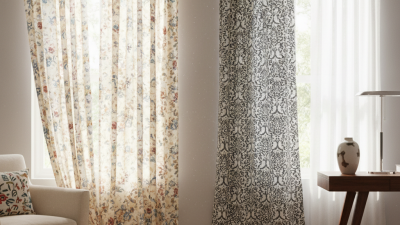
Choosing calico window treatments involves more than matching a charming print to a sofa. Calico usually features small botanical, floral, or pastoral motifs on cotton, making it useful for bedrooms, kitchens, studies, and relaxed living rooms. Its pattern can soften hard architectural lines, while its fabric texture adds visual warmth beside wood, plaster, or painted walls. Still, appearance is only one part of the decision.
The U.S. Department of Energy’s Energy Saver guidance notes that windows can account for roughly 25% to 30% of residential heating and cooling energy use. That figure makes lining and fit worth careful attention. Unlined calico may welcome gentle daylight, but it offers limited privacy and weak evening insulation. A cotton-linen blend, thermal lining, or separate blackout roller can improve practical performance. The National Fenestration Rating Council also emphasizes measurable window performance, reminding us that fabric alone cannot solve every heat-gain problem.
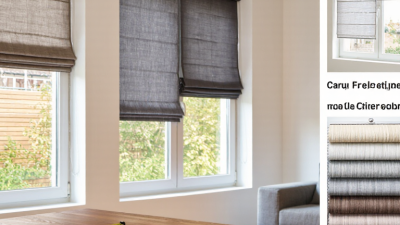
Room orientation changes the answer. South- and west-facing windows may need fade-resistant lining or layered coverage. In a nursery, check cordless operating options and keep furniture away from cords. In a humid kitchen, washable fabric may be more sensible than delicate vintage cotton. Measure the glass, frame, and desired fullness before ordering. A narrow panel can look skimpy. A heavy print can overwhelm a small room.
There is no perfect fabric.
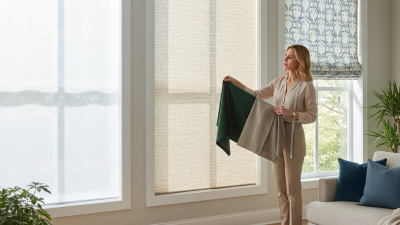
Even experienced designers sometimes misjudge scale after viewing a sample. Test the calico beside morning light, evening lamps, flooring, and wall paint. Professional-looking results come from balancing pattern, privacy, maintenance, and energy control—not from choosing the prettiest swatch alone.
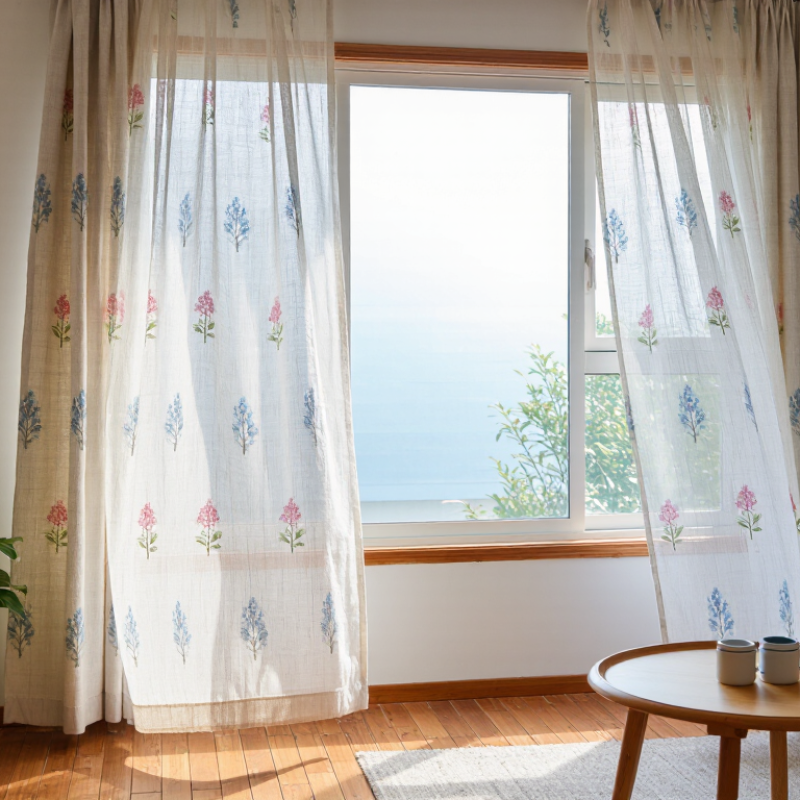
Define Calico’s Role: Windows Account for 25–30% of Home Energy Use
How to Choose Calico Window Treatments for Any Room
Windows can account for roughly 25–30% of a home’s energy use. Heat enters through sunny glass and escapes through cold panes. Calico curtains add warmth, texture, and visual softness, but fabric alone cannot solve every energy problem. Start with exposure. South- and west-facing windows often need stronger solar control. North-facing windows may benefit more from insulation.
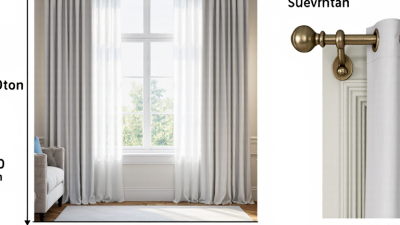
Choose a tightly woven calico with a thermal or blackout lining for bedrooms and living rooms. The lining slows heat transfer while protecting furniture from harsh afternoon sunlight. Mount curtains several centimeters above the frame and extend them beyond both sides. This reduces gaps where conditioned air can escape. Small gaps matter.
For kitchens, use washable panels and keep fabric away from burners or damp surfaces. In bathrooms, moisture-resistant materials are usually more practical than untreated cotton.
Measure the glass, frame, and nearby wall before ordering. A professional energy assessment can reveal whether curtains, glazing improvements, or weather-stripping will deliver the greatest benefit. Decorative fullness also affects performance; thin, flat panels leave more exposed glass. Still, a heavy curtain may make a small room feel crowded. That trade-off deserves attention.
Calico patterns can brighten a space, yet bold prints may compete with existing furniture. Review the room at morning, noon, and evening before deciding. Temperature comfort should guide the final choice, not appearance alone.
Match Fabric Weight and Opacity to Each Room’s Privacy and Light Needs
Choosing calico window treatments starts with the room’s exposure, not the pattern. In a south-facing living room, medium-weight cotton with 40–60% opacity softens glare while preserving daylight. The U.S. Department of Energy’s Energy Saver guidance reports that about 30% of a home’s heating energy can be lost through windows. Lined calico may improve comfort, but it cannot replace proper glazing or sealing. Check the fabric at noon and after sunset. Light changes everything.
Bedrooms need stronger control. Choose tightly woven calico with a blackout lining for early sunrise, streetlights, or shift work. Blackout does not automatically mean thermal insulation. Lining color, fit, and side gaps also matter. For children’s rooms, follow U.S. Consumer Product Safety Commission guidance on safer cordless operation. The National Fenestration Rating Council explains that visible transmittance measures how much light glazing admits. That rating helps, but it does not predict fabric opacity. Request a physical swatch.
Kitchens and bathrooms usually benefit from lightweight, washable calico. A privacy lining can block direct views without making the room gloomy. Test the sample against a window, then view it from outside at night. A heavier fabric may look luxurious, yet it can trap moisture or overwhelm a small room. I once underestimated side gaps; the center was dark, but bright edges remained. Measure twice. Treat data as guidance, not a promise, because window direction, nearby buildings, and personal sensitivity change the result.
Compare NFRC U-Factor and SHGC Ratings for Seasonal Window Performance
Calico window treatments bring pattern and texture, but seasonal comfort depends on more than fabric appearance.
Start with the window’s NFRC U-factor. This rating measures heat transfer through the complete window assembly. Lower U-factor values usually indicate better insulation, especially during cold weather. A lined calico curtain can reduce drafts near the glass, but it cannot change the window’s certified rating. Check the NFRC label, not only the fabric description.
SHGC measures how much solar heat enters through the window.
Lower SHGC values suit sunny rooms, warm climates, and west-facing glass. Higher values may help a south-facing room during colder seasons, when sunlight provides useful warmth. Test a fabric swatch beside the window at noon. Notice the floor temperature and glare. Small details matter.
A dense lining often improves light control and reduces radiant chill. However, a dark calico pattern may absorb sunlight and feel warm behind closed curtains. That effect varies with color, weave, and window orientation. Leave a small air gap around the treatment, and avoid blocking necessary ventilation.
I once favored a beautiful loose weave and underestimated afternoon glare. The room looked inviting, but the desk became uncomfortable.
Ratings guide the decision, while real room conditions challenge it. Compare U-factor and SHGC together, then adjust for season, orientation, glazing, and daily use.
Verify Mounting, Care Labels, and Safety Standards Before Final Installation
Choosing calico window treatments involves more than matching colors and patterns. Before ordering, measure the window recess, frame depth, and nearby handles. Decide whether the treatment will mount inside or outside the frame. A small mistake here can leave fabric rubbing against glass or blocking the window latch. I once overlooked a radiator beneath a window. The finished curtain hung poorly and needed adjustment.
Check the mounting instructions carefully. Confirm that brackets fit the wall surface, especially if it contains plasterboard, tile, or masonry. Use suitable anchors and keep screws firmly seated. For corded designs, inspect the safety information before installation. Cords should remain secured, unreachable by young children, and clear of beds, chairs, and play areas. Follow the current safety requirements for your location, since standards can differ.
Tips: Read the care label before final installation. Calico may shrink, fade, or lose shape after unsuitable washing. Look for instructions about cold water, air drying, ironing, and professional cleaning. Test a hidden fabric section first if the label permits washing. Keep a small sample beside the window for future color checks. Also, avoid guessing. If the bracket feels loose or the fabric strains, pause and reassess the installation. A neat appearance is useful, but safe operation matters more.