7 Tips for Choosing Carole Fabrics Drapery Hardware
Choosing carole fabrics drapery hardware is more than matching a rod to a fabric swatch. The hardware must support the curtain, clear nearby trim, and move smoothly every day. Small details matter. A finial that looks elegant in a showroom may feel oversized beside a narrow window. A bracket placed too close to the frame can leave heavy panels rubbing against the wall.
Homeowners are investing in improvements, but broad renovation data cannot tell us which rod suits a particular room. Houzz’s 2024 U.S. Houzz & Home Study reported a median renovation spend of $24,000 in 2023. That figure covers many project types; it is not a drapery-hardware budget. It does, however, underline why careful planning before purchase can prevent avoidable replacements. Measure the window, note the wall material, and consider the curtain’s weight and how often it will open.
Design pioneer Charles Eames offered a useful reminder: “The details are not the details. They make the design.” Applied here, those details include finish, projection, bracket placement, and the way the fabric stacks when drawn back. This guide presents seven practical tips for choosing carole fabrics drapery hardware, from checking compatibility to balancing appearance with function. Not every room has a perfect solution. Sometimes a sample looks different at home, and that deserves a second look. The aim is informed selection, not a rushed match.
Assess Your Window, Curtains, and Functional Needs
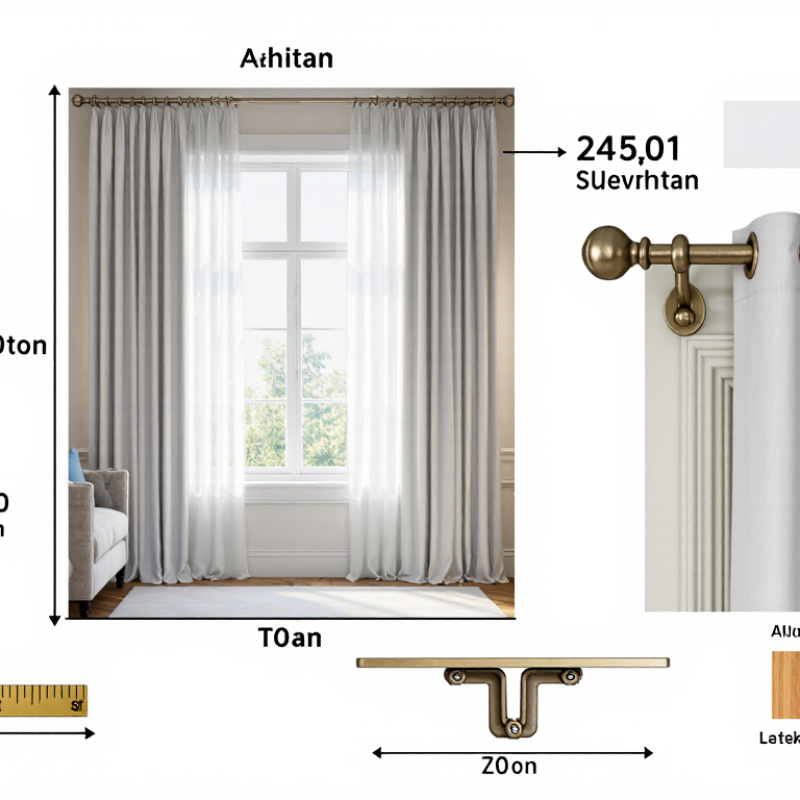
Start with the window itself, not the hardware finish. Measure its width and height, then check for deep trim, nearby walls, radiators, and handles that could block a curtain. A tape measure helps, but note where each measurement begins. Small differences matter. If curtains should clear the glass when open, allow space at the sides for the fabric to stack.
Next, inspect the curtains you plan to hang. Lightweight sheers need less support than lined, floor-length panels, and wide windows may need a center bracket. Check the rod’s stated load capacity and fasten brackets into suitable structural support. Don’t assume existing holes are secure. I might be overcautious here, but sagging rods are frustrating to fix after the curtains are up.
Finally, picture the daily routine. Will you draw the panels by hand, use a wand, or open them often for sunlight? A smooth track or rings can make frequent movement easier, while a stationary panel may need only simple support. Consider privacy, glare, and how much light you want in the room. One detail people miss: test the curtain’s path around nearby furniture before drilling. A quick mock-up with painter’s tape can reveal an awkward clearance issue.
Choose a Hardware Style That Complements Your Interior
Choose drapery hardware as part of the room’s visual architecture, not a last-minute accessory. Match the finish to nearby metals, such as a lamp base or cabinet pull, but avoid forcing an exact match. Aged brass can warm cream walls; matte black can sharpen pale linen and simple trim. Scale matters, too. A slim rod may disappear above a broad window, while oversized finials can crowd a narrow wall. The U.S. Department of Energy’s Energy Saver guidance estimates that 25%–30% of home heating and cooling energy can be lost or gained through windows. Consider how the rod will support full, lined panels without sagging. Pretty matters. So does function.
Tip 1:
Echo one existing detail. Pick a finish already present in the room, then let the rod and rings repeat it quietly. For a relaxed interior, try a simple wood pole with understated brackets; for tailored rooms, choose clean metal lines and restrained finials. Measure the window and available wall space before buying. I’ve seen a well-chosen finish still look wrong when the rod feels too short.
Tip 2:
Let the fabric guide the hardware. Heavy velvet needs sturdy brackets and a substantial pole; airy sheers suit slimmer profiles. Keep rings, brackets, and finials consistent in scale. If the room mixes styles, that is not automatically a problem—just repeat one shape or finish so the hardware feels intentional rather than accidental.
Select Durable Materials and Suitable Finishes
For drapery hardware, material matters most where the rod bears weight and where rings repeatedly slide. Steel offers dependable strength for wide or heavy curtains; aluminum is lighter but may flex across long spans. Check bracket spacing, wall anchoring, and the rod’s stated load capacity—not just its appearance. The National Association of Home Builders’ 2007 Study of Life Expectancy of Home Components estimates curtain rods at about 10 years. That is a broad service-life estimate, not a promise for every home.
Finishes face different stresses. In sunny rooms, strong daylight can fade or discolor some coatings; near kitchens, frequent handling and airborne grease can dull them. Ask whether the finish has been tested for abrasion, humidity, and corrosion. ASTM B117, for example, specifies salt-spray exposure using a 5% sodium chloride solution at 35°C. It is a useful comparison test, but it cannot predict exactly how many years a finish will last indoors. A satin surface may hide fingerprints better than a glossy one, though it can still scratch.
Inspect samples in the actual room. Rub a hidden area with a soft cloth, then check for uneven color around joints and finials. Small defects matter. I would not choose a finish from a tiny online swatch alone; daylight can make bronze look almost black, and screens are imperfect. Ask for care instructions before buying, especially if the hardware will sit above a radiator or in a humid room.
Choosing Durable Drapery Hardware: Representative Material Density
Higher density can indicate a heavier material, but it does not by itself determine strength or durability. Consider support requirements, corrosion exposure, and finish suitability alongside material choice. Values are representative reference densities: oak varies with moisture content, while alloy composition affects metal density.
Measure Rod Length, Diameter, and Support Requirements
Measure the finished window area, not just the glass. If curtains need to stack beside the window, extend the rod far enough for open panels to clear the glass. An extra 8–12 inches on each side is a useful starting point, but available wall space and fabric fullness may change that. Check for radiators, cabinets, or corners that could limit the rod.
Match rod diameter to the curtain hardware and fabric weight. A slim rod may look tidy, but heavy, lined panels can make it sag or slide poorly. Measure the inside diameter of rings or pocket openings, then compare it with the rod’s stated diameter. Small mismatches are easy to overlook. Even careful measuring deserves a second check.
Tips: Mark the planned rod ends with painter’s tape and measure between them. Record the span, diameter, bracket positions, and curtain weight before buying. Long spans or heavy panels may need a center support; make sure rings can pass it, or use a compatible bypass system. Locate wall studs when possible, and choose suitable anchors if none align. Recheck level and clearance. It can feel fussy, but it may save a second trip.
Compare Components, Installation Options, and Maintenance
Compare the rod, brackets, rings, and finials as one working system. A heavy lined curtain needs a sturdier rod and secure brackets than a sheer panel. Check the stated weight capacity, and make sure bracket spacing supports the fabric without sagging. Small parts matter. Rings should glide smoothly, while clips or hooks must suit the curtain heading. A pretty finial cannot fix a rod that flexes in the middle.
Installation options depend on the window and wall. Measure the window width, then decide how far the rod should extend beyond the frame so open curtains do not cover the glass. Mounting into a wall stud is generally more dependable than relying on a hollow-wall anchor alone. For wide spans, a center support may be necessary, though it can interrupt ring movement. It is easy to overlook that trade-off until the curtains are drawn.
Think about upkeep before choosing finishes and shapes. Dust collects around rings and carved finials; a soft cloth or brush usually reaches those edges better than a wet wipe. Metal finishes may show fingerprints, while textured surfaces can hold lint. Follow the maker’s care instructions, especially before using cleaners. One honest limitation: maintenance needs vary with household dust, pets, and window exposure, so a display sample cannot tell the whole story.