Blog

2026 Top Custom Fabric Window Treatments for Global Buyers

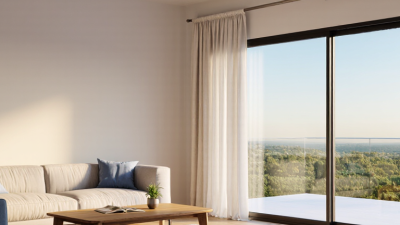
In 2026, global buyers are looking beyond basic curtains and standard-size blinds. They want products that fit real rooms, changing lifestyles, and distinct interior styles. Custom fabric window treatments offer this flexibility through tailored dimensions, fabric choices, linings, and operating systems. A softly woven linen shade can filter harsh afternoon light in a coastal apartment. A lined velvet drape can add warmth and privacy to a boutique hotel suite. These details affect comfort, appearance, maintenance, and long-term value.

Small choices matter.

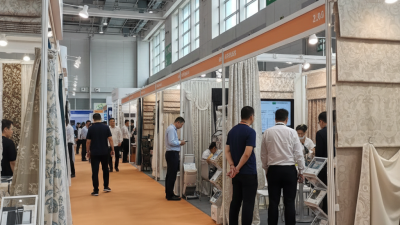
This guide explores leading custom fabric window treatments for residential, hospitality, and commercial projects worldwide. It considers fabric durability, color consistency, light control, acoustic benefits, installation requirements, and international sourcing practicalities. Buyers should request physical samples, accurate measurement instructions, and clear production timelines before placing large orders. A dependable supplier should explain shrinkage, cleaning needs, fire-performance documentation where relevant, and packaging standards. Factory images are useful, but they do not replace sample reviews or quality checks. That distinction is often overlooked.

No recommendation fits every market perfectly. Climate, window structure, local workmanship, and customer expectations can change the best solution. A lightweight cotton may perform beautifully in one home but disappoint in a humid environment. Even carefully prepared specifications can require revision after a site inspection. That uncertainty matters. By comparing materials, construction methods, customization options, and supplier communication, buyers can make more informed decisions. The strongest results usually come from practical testing, transparent specifications, and realistic expectations rather than attractive images alone.
2026 Top Custom Fabric Window Treatments for Global Buyers

Defining Custom Fabric Window Treatments for Global Buyers

Custom fabric window treatments are made for a specific window, room, climate, and operating need.

They may include tailored curtains, Roman shades, roller shades, or layered fabric systems. Unlike ready-made products, customization considers width, drop, fullness, lining, light control, privacy, and installation method.

For global buyers, performance matters as much as appearance.

The U.S. Department of Energy reports that windows can cause 25%–30% of residential heating and cooling energy use. A dense lining can reduce heat transfer, while a lighter weave can preserve daylight. However, fabric alone cannot solve poor glazing or careless installation. Small gaps around the edges may weaken the result.

Climate changes the specification.

Humid regions need moisture-resistant materials and ventilation space. Cold climates may require thermal interlining and close-fitting tracks. The 2023 Global Status Report for Buildings and Construction states that buildings consume about 34% of global energy and produce roughly 37% of energy-related emissions. Window treatments cannot fix that entire problem. They can support better indoor comfort when measured properly.

Buyers should request fabric composition, testing methods, shrinkage tolerance, colorfastness results, and care instructions.

Fire performance must follow the destination market’s applicable requirements. Samples can mislead. A fabric may feel premium in a showroom yet crease easily after installation. Site measurements, mock-ups, and documented performance data create a more reliable definition of custom fabric window treatments.

Key Types and Functional Differences in Fabric Window Treatments

2026 Top Custom Fabric Window Treatments for Global Buyers

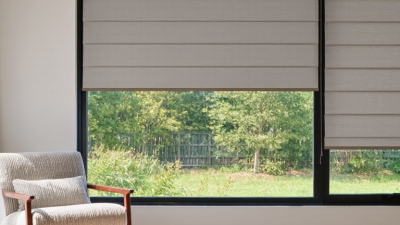
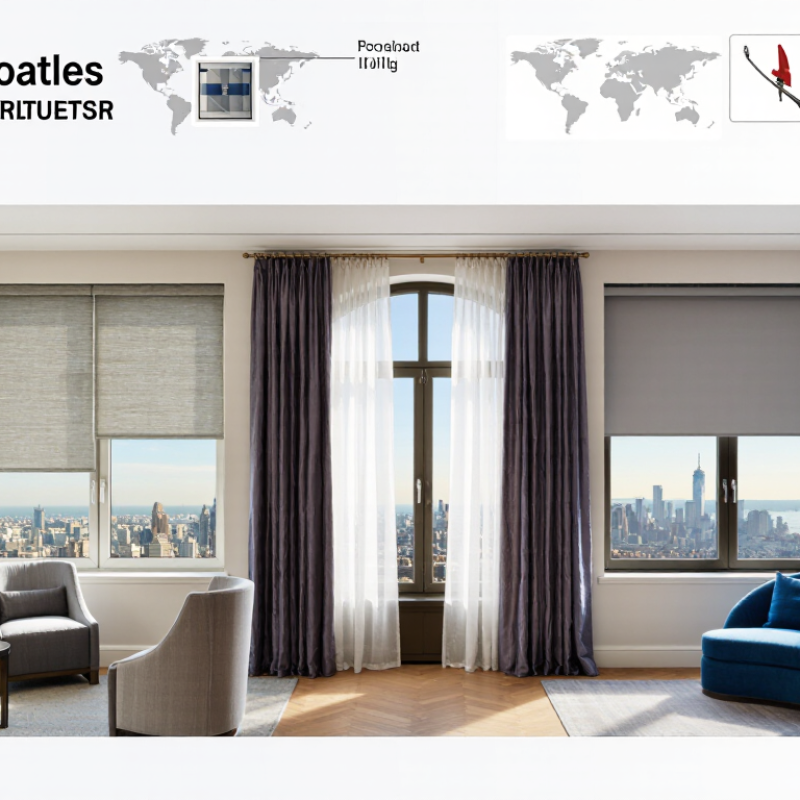
Fabric window treatments differ by structure, control, and light performance. Drapery panels create soft visual depth and suit wide openings. Roman shades fold into clean horizontal sections, offering a tailored appearance with moderate light control. Roller shades use a continuous fabric surface. They provide a simpler profile and precise openness options. Sheer curtains filter glare but preserve outdoor views. Blackout fabrics block more daylight, although edge gaps can still admit light.

Cellular shades contain air pockets that improve insulation. The U.S. Department of Energy reports that tightly fitted cellular shades can reduce window heat loss by up to 40%. Their honeycomb construction suits bedrooms, offices, and colder climates. However, they may feel less decorative than layered drapery. This trade-off matters.

A 2024 Fortune Business Insights report valued the global window coverings market at about USD 30.81 billion in 2023. It also projects continued growth through 2032, supported by renovation and energy-efficiency demand. Custom buyers should compare fabric weight, colorfastness, moisture resistance, and operating systems. ISO 105-B02 testing helps evaluate light resistance, but test results do not perfectly predict every room. Sun exposure varies. A south-facing window may fade fabric faster than a shaded one. Measuring errors remain common, especially around deep frames and uneven walls. Specification sheets need careful review before production.

How to Select Fabrics, Designs, and Operating Systems

2026 Top Custom Fabric Window Treatments for Global Buyers

How to Select Fabrics, Designs, and Operating Systems

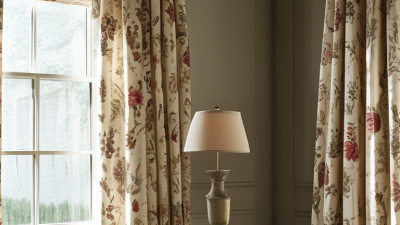
Selecting custom fabric window treatments begins with the room’s climate, light, and daily use. I have found that fabric weight changes both appearance and performance. Linen blends create a relaxed texture, while tightly woven polyester offers easier maintenance. In humid regions, buyers should request moisture-resistant options and test color stability. Ask for physical samples. Screen colors often appear more accurate than they are.

Design should support the building, not compete with it. Measure each window carefully, including recess depth, handle position, and ceiling height. Full-height curtains can soften large glass walls, while Roman shades suit compact spaces. For hotels and offices, coordinated colors improve visual consistency. However, identical fabrics may perform differently across sunny and shaded rooms. That detail is easy to overlook.

Tips: Compare fabric samples beside the actual wall and flooring. Check cleaning instructions before approving production. Choose manual, chain-operated, motorized, or smart systems according to window size and user needs. Large or high windows usually benefit from motorization, but access to power must be planned early. Confirm voltage, control compatibility, noise levels, and local safety requirements. Request drawings, testing details, and installation guidance from the supplier. Small errors become expensive later.

Global Sourcing Standards, Measurements, and Customization Requirements

Global buyers in 2026 expect custom fabric window treatments to meet clear sourcing standards, not just attractive sample photos. Suppliers should provide fabric composition, weight, light-filtering performance, color references, and care instructions. Fire, chemical, and labeling requirements may differ by destination, so buyers should confirm current regional rules before production. Reliable suppliers also share inspection records, pre-production samples, and packaging details.

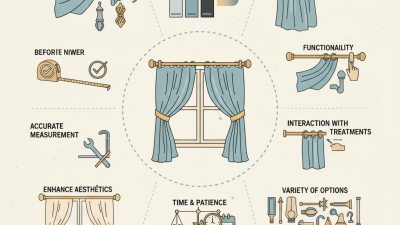
Accurate measurements control both appearance and installation. Buyers should specify window width, height, recess depth, mounting position, and operating clearance. Measure twice. Record each window separately. For large projects, a digital measurement sheet with photographs can reduce confusion. Tolerances must be agreed in writing, especially for tracks, rods, hems, and pleats. A small error becomes obvious across a wide curtain.

Customization may include blackout lining, thermal layers, moisture-resistant fabrics, motorized operation, special headings, and non-standard sizes. Suppliers need drawings, fabric swatches, quantity breakdowns, and target delivery dates. They should also confirm carton dimensions and protection for overseas transport. In practice, communication is often the weak point. A specification can look complete yet omit installation hardware or care labels. This is where experienced sourcing teams should challenge their own checklist. Not every defect appears during factory inspection. A final sample review remains necessary.

Quality Control, Packaging, and International Purchasing Considerations

Custom fabric window treatments require more than attractive patterns and accurate measurements. Global buyers should confirm fabric composition, color references, finished dimensions, lining options, and operating hardware before production begins. A pre-production sample can reveal uneven stitching, weak seams, or unexpected color changes under daylight. Quality teams should inspect fabric rolls, cutting accuracy, hems, and final assembly. Moisture and lightfastness testing also help protect performance during long-term use.

No inspection plan is flawless. A shade can still shift slightly between batches, especially with textured fabrics. Buyers should approve a sealed reference sample and compare random finished units against it. Clear tolerance limits make disagreements less likely. Product records should include inspection photos, measurements, carton counts, and corrective actions. This evidence supports reliable purchasing and improves future orders.

Tips: Use a written checklist. Confirm every measurement twice. Request packaging photos before shipment. Each treatment should be folded or rolled according to its construction, with protective film, corner guards, and moisture-resistant inner wrapping. Strong cartons, internal dividers, and clear handling labels reduce damage during international transport. Avoid excessive compression, which may create permanent creases. Confirm carton dimensions, gross weight, labeling, and shipping terms before booking freight. Small packaging errors can create large warehouse problems.

2026 Top Custom Fabric Window Treatments for Global Buyers

Quality-control sample sizes for custom window-treatment production lots, based on ANSI/ASQ Z1.4 General Inspection Level II.

Larger production lots require larger inspection samples: 80 units for lots of 501–1,200, 125 for 1,201–3,200, 200 for 3,201–10,000, 315 for 10,001–35,000, and 500 for 35,001–150,000. Buyers should define the AQL, inspection level, fabric shade tolerance, finished dimensions, operating tests, carton labeling, moisture protection, and export documentation before production. Acceptance or rejection numbers depend on the selected AQL and code letter.