Why Choose Custom Printed Floor Mats for Your Business?
Why Choose Custom Printed Floor Mats for Your Business?
A business entrance speaks before your team does. A clean, branded mat can shape that first impression within seconds. It can also protect the floor from rain, grit, and tracked-in moisture. These practical details matter in shops, offices, hotels, clinics, and reception areas.
According to commercial flooring consultant Michael J. Scherer, “A successful entrance mat must protect the building while supporting the brand.” That idea explains the value of a Custom Printed Floor mat. Your logo, colors, or message can appear beneath every visitor’s feet. The result feels intentional, not accidental. It may also help customers recognize your location from outside.
The benefits are tangible. A textured surface can catch loose dirt near the doorway. A properly sized mat can reduce slippery wet spots. Durable fibers may withstand carts, shoes, and repeated cleaning. However, printing alone does not guarantee performance. A beautiful mat can fail if its backing curls, slides, or absorbs too little moisture.
That is the part worth questioning.
Before ordering, consider foot traffic, entrance width, cleaning routines, and local weather. Ask about colorfastness and edge construction. Request material samples when possible. A low-cost option may look attractive, but replacement costs can quietly increase. The best choice balances visual identity with safety, maintenance, and long-term value. Your mat should earn its place every day.
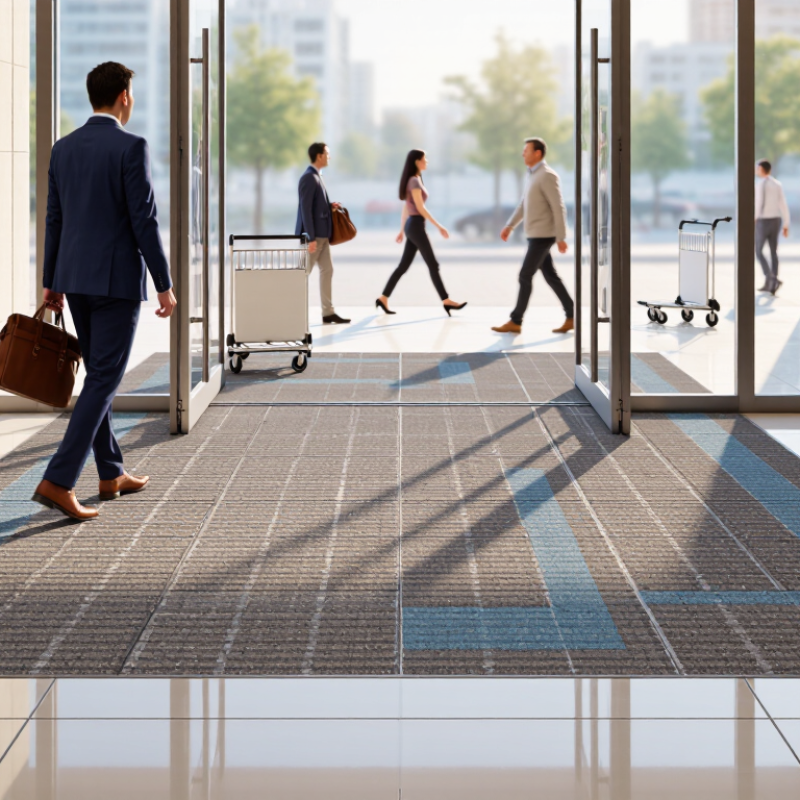
What Are Custom Printed Floor Mats?
A custom printed floor mat is a floor covering designed with a specific logo, message, pattern, or image. Unlike plain entrance mats, it can support a business’s visual identity while trapping dirt and moisture. The design is usually applied through durable dyeing, printing, or rubber inlay methods. Material choices may include nylon, polyester, vinyl, or rubber, depending on traffic and cleaning needs.
In a busy reception area, a mat might show a clear welcome message near the doorway. In a café, a darker pattern can help disguise small stains between cleanings. Size, border style, backing, and surface texture also affect daily performance.
A professional supplier should explain color limits, slip resistance, drying time, and expected wear before production. Good advice matters.
Not every printed mat performs equally. Very detailed artwork may lose clarity on a rough surface. Pale colors can reveal dirt quickly.
I have also found that a beautiful mat can become inconvenient when its edges curl or its backing shifts. Regular vacuuming and prompt drying help, but maintenance is often underestimated.
Testing a small sample first may prevent an expensive mistake. The right choice depends on entrance traffic, cleaning routines, indoor conditions, and the message visitors should notice.
Which Materials and Designs Suit Different Business Needs?
Custom printed floor mats work best when their material matches the daily demands of a business. Nylon offers a polished appearance and handles frequent foot traffic well. It suits reception areas, hotels, and professional offices. Polypropylene costs less and resists moisture, making it practical for entrances near rain or snow. Rubber-backed mats add stability on smooth floors. They are useful in shops and public buildings. However, rubber may release a noticeable odor when new. That detail is easy to overlook.
Restaurants and cafés need mats that tolerate spills and repeated cleaning. A dense, stain-resistant surface helps protect the floor around service counters. Darker patterns can hide small marks, but overly dark designs may show dust. Retail stores often benefit from crisp logos and colors that match their interior. The design should remain readable from several steps away. Too much detail can disappear under busy foot traffic. In my experience, simple shapes usually perform better than crowded artwork.
Workshops and warehouses require stronger grip and faster drainage. Raised textures can reduce standing water, although they may feel less comfortable under thin footwear. Choose printed areas that do not cover essential traction zones. Ask for abrasion, colorfastness, and slip-resistance information before ordering. Printed samples should be checked under the actual lighting. Colors sometimes appear different in a bright entrance. A small mistake here can affect the entire visual impression.
How to Choose the Right Size, Shape, and Placement
Custom printed floor mats do more than display a logo. They introduce your business before staff members say a word. A clean, well-fitted mat can guide visitors, protect flooring, and support a consistent professional image. In my experience, the best results begin with accurate measurements, not artwork.
Measure the doorway width and the available floor depth. Leave enough clearance for doors, wheelchairs, and shopping carts. A mat that is too short may collect little moisture. One that is too large can curl at the edges or obstruct movement. Rectangular mats suit wide entrances, while half-round shapes work well near curved reception desks. Consider foot traffic, too. Busy entrances usually need broader coverage and stronger edging.
Tips: Place the mat where people naturally pause, not several steps away. Check the surface beneath it for smoothness and moisture. Avoid placing mats over uneven tiles. Review the layout during opening hours, because customer movement may differ from your plan. I once underestimated a narrow entrance, and the mat shifted during peak traffic. The placement looked attractive, but it was not practical. That small mistake showed me that appearance should follow safety and daily use. Recheck measurements after installation, especially when furniture or displays change.
Why Choose Custom Printed Floor Mats for Your Business?
How to choose the right size, shape, and placement
Larger mats provide more walking coverage and are better suited to busy entrances or longer approach paths. Rectangular mats work well in straight corridors, half-round mats fit curved doorways, and custom shapes can follow unusual floor layouts. Place the mat directly in the main walking path while keeping doors and exits clear.
What Maintenance and Durability Factors Should You Consider?
Why Choose Custom Printed Floor Mats for Your Business?
What Maintenance and Durability Factors Should You Consider?
A custom printed floor mat faces more than ordinary foot traffic. It absorbs rain, grit, oil, and cleaning residue near entrances. Choose dense fibers, a stable backing, and edges that stay flat. The entrance matters most. A mat that curls can create a trip hazard and damage your professional image.
Daily vacuuming removes abrasive sand before it cuts into the fibers. During wet weather, check the mat several times each day. Shake or extract moisture when the surface feels saturated. Use cleaning products recommended for the material. Strong chemicals may fade printed colors or weaken the backing. Keep it simple.
Inspect seams, corners, and underside marks every week. Move the mat occasionally to prevent trapped moisture from staining the floor. Rotate it when practical, especially in a narrow doorway with one heavy walking path. Small checks matter. In my experience, businesses often replace mats too late, after the backing has cracked or the image looks dull. I have also learned that a bright design cannot compensate for poor drainage or an undersized mat.
Sunlight can gradually fade printing, so shaded placement or UV-resistant materials deserve attention. Ask for documented cleaning guidance and realistic service-life expectations. No mat lasts forever. Traffic levels, entrance exposure, and maintenance habits decide how quickly it declines. A six-month review can reveal whether the size, material, or cleaning routine needs adjustment.