
Choosing the right winter outerwear is rarely simple for global buyers. A jacket that performs well in Helsinki may feel excessive in Seoul or coastal Vancouver. Temperature, wind, rain, movement, and storage space all change the decision.
This guide introduces the Tactical Winter Jacket as a practical option for demanding cold-weather environments. We examine insulation types, water-resistant shells, reinforced seams, hood adjustment, pocket placement, and ventilation. A reliable jacket should protect the wearer without creating unnecessary bulk. It should also remain comfortable during long commutes, outdoor work, travel, or emergency preparation. Small details matter. A two-way zipper can help when sitting or climbing. Soft cuffs can reduce heat loss. A storm flap may protect the zipper during wet snowfall.
Performance claims require careful checking. Buyers should review fabric specifications, laboratory testing, size charts, and supplier documentation. Ethical sourcing and transparent production records also deserve attention. Regional labeling, chemical requirements, and import rules may differ, so professional verification remains important. This article compares leading design features while avoiding unsupported promises.
No jacket is perfect. A warmer lining can reduce flexibility. A durable shell may feel less breathable. Even accurate size charts cannot replace a real fitting test. We acknowledge these limits because reliable purchasing depends on practical experience, not attractive product language alone. The best choice balances climate protection, comfort, maintenance, budget, and responsible sourcing. That balance is different for every market.
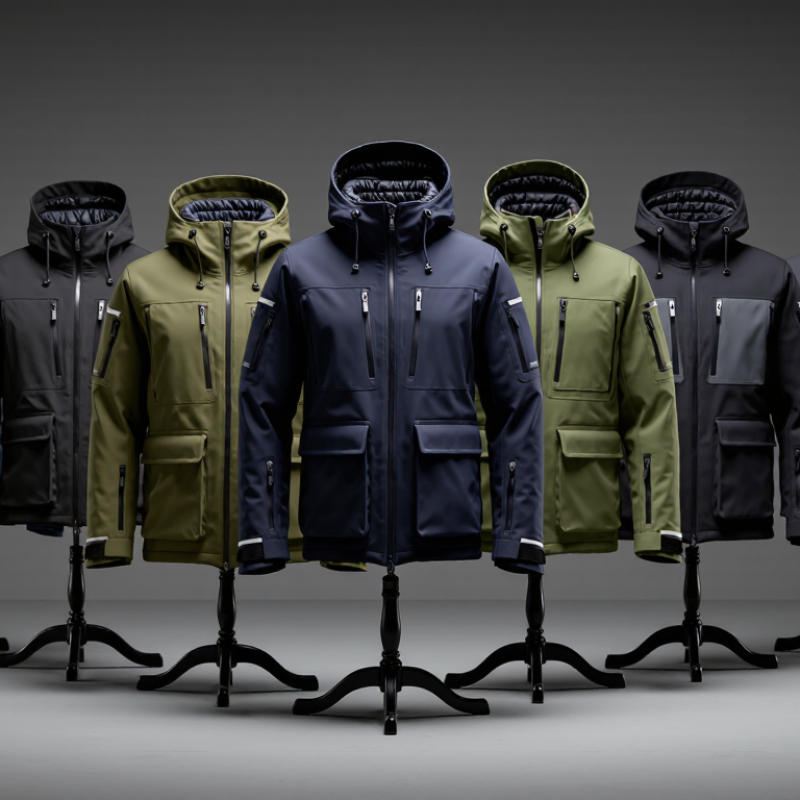
For global buyers, defining a tactical winter jacket starts with function, not appearance. It should protect against wind, snow, and prolonged cold while allowing practical movement. A useful design combines an insulated body, adjustable cuffs, a storm flap, and secure pockets that remain accessible with gloves. Buyers should also check thermal performance through ISO 11092 testing, rather than trusting vague “warm” claims.
The Textile Exchange Materials Market Report 2024 states that global fiber production reached 124 million tonnes in 2023. Polyester represented 57% of that volume, while recycled polyester accounted for about 14% of polyester production. This data supports careful material selection, but recycled content alone does not prove durability. A field-tested jacket needs abrasion resistance, stable stitching, and insulation that remains effective after repeated washing. That is where product sheets often feel too optimistic.
Weather protection also requires measurable evidence. EN 343 ratings can help buyers assess resistance to rain and breathability. EN 342 is more relevant for garments designed for cold environments. Fit remains difficult to standardize across regions, especially with layered clothing and different body proportions. My practical preference is a slightly generous cut, but not an oversized one. A jacket can look impressive on a product page and still restrict shoulder movement in real use. Global buyers should request test reports, size measurements, seam details, and care instructions before comparing prices.
Material selection determines how a winter jacket performs across changing climates. A tightly woven nylon or polyester shell resists abrasion from equipment and rough surfaces. A durable water-repellent finish helps shed light snow and drizzle. However, it is not waterproof protection. Buyers should check seam construction, membrane ratings, and test methods before comparing products.
Insulation technology requires closer attention. Synthetic fibers retain useful warmth after damp exposure and dry faster than many natural fills. They also provide consistent performance in humid coastal regions. Down insulation offers excellent warmth with low weight, but moisture can reduce its loft. Hybrid designs place synthetic insulation in shoulders, cuffs, and other exposed zones. The torso may use higher-loft insulation for improved thermal efficiency. Small details matter. A cold zipper can ruin comfort.
Field evaluation should include wind, rain, movement, and repeated compression. Measure warmth while wearing a base layer and mid-layer, not just a shirt. Check whether the lining traps sweat during brisk activity. Breathability figures can help, but laboratory results do not perfectly represent real use. I have found that a slightly less insulated jacket often feels better during active work. This judgment is easy to overlook. Buyers should also inspect repair access, colorfastness, and washing instructions for different markets. No single insulation system suits every region or user.
Top Tactical Winter Jackets for Global Buyers
Essential Features for Cold-Weather Field Use
A dependable winter jacket must protect against wind, wet snow, and long hours outdoors. In field use, insulation matters, but moisture control matters just as much. A breathable inner layer helps release sweat during movement. Otherwise, damp fabric can leave the wearer cold during rest periods. Synthetic insulation often dries faster, while natural insulation may feel warmer in dry conditions. Neither option works perfectly everywhere.
Look for a weather-resistant outer shell, sealed or protected seams, and an adjustable hood that fits over headgear. High collars, hook-and-loop cuffs, and a longer back panel reduce exposed gaps. Pockets should remain usable with gloves and carry small field essentials without restricting movement. Reinforced elbows and shoulders can improve service life, especially near rough equipment or vehicle edges. I prefer jackets tested through repeated walking, kneeling, and lifting, not only displayed in warm showrooms.
Global buyers should check sizing data carefully, because regional measurements can differ. A jacket needs room for a base layer without becoming bulky. Ventilation zippers are useful during sudden exertion, though they may admit snow in strong winds. That trade-off deserves attention. No single jacket suits every climate, and product descriptions sometimes simplify real conditions. Buyers should request fabric specifications, temperature guidance, repair options, and test details before placing large orders.
Essential waterproofing benchmarks for cold-weather field use
The chart uses hydrostatic-head values in millimeters, a common industry measurement for fabric water resistance. Around 10,000 mm is suitable for moderate wet conditions, while 20,000–30,000 mm provides stronger protection for prolonged rain, snow, and high-exposure field operations. Waterproof performance should also be evaluated alongside seam sealing, durable water-repellent treatment, breathability, insulation, and hood design.
Top Tactical Winter Jackets for Global Buyers
Comparing jacket designs across climate zones reveals why one winter model cannot serve every market. Climate changes the design brief. Wet maritime regions need waterproof shells, sealed seams, adjustable cuffs, and insulation that remains warm when humidity rises. Breathable membranes also matter during long walks or outdoor work. In dry continental climates, wind resistance and thicker insulation often matter more than maximum waterproofing. A longer cut can protect the lower back, while a high collar blocks sharp gusts. Small vents matter. They release heat during sudden activity.
High-altitude buyers should examine hood structure, glove-friendly pulls, lightweight insulation, and abrasion-resistant fabric. Weight becomes important when users carry equipment uphill. In mild urban winters, a removable liner and moderate insulation may offer better daily comfort. Excessive warmth can become frustrating on public transport. I have found that pocket placement is often overlooked. Chest pockets should remain accessible over layers, while inner pockets protect phones from cold batteries.
Reliable purchasing decisions require measurable evidence. Ask for laboratory data on water resistance, breathability, insulation weight, seam performance, and fabric abrasion. Check care instructions before comparing prices. A jacket may appear versatile but perform poorly after repeated washing. No design wins everywhere. My own comparison would still question whether heavy tactical features add value for ordinary city users. Buyers should match construction to real weather, movement, and maintenance capacity.
| Climate Zone | Recommended Jacket Design | Typical Temperature Range | Insulation Type | Waterproof Performance | Wind Protection | Typical Weight | Key Tactical Features | Best Buying Consideration |
|---|---|---|---|---|---|---|---|---|
| Arctic and Subarctic | Long insulated parka with adjustable hood | -30°C to -10°C | High-loft synthetic insulation or responsibly sourced down | Water-resistant or waterproof outer shell; fully taped seams preferred | High; storm flap, adjustable cuffs and hem required | 1.4–2.3 kg | Helmet-compatible hood, two-way front zipper, fleece-lined hand pockets, internal waist adjustment | Prioritize insulation retention, seam construction and mobility with layered clothing |
| Cold Continental | Insulated field jacket with removable liner | -20°C to 0°C | Synthetic fiber fill, commonly 100–200 g/m² in the body | Water-repellent shell or waterproof-breathable laminate | Medium to high; drawcord hood and covered zipper recommended | 0.9–1.6 kg | Removable liner, reinforced elbows, document pocket, radio-compatible chest pocket | Choose a modular system for changing temperatures and indoor-to-outdoor use |
| Cold Maritime | Waterproof insulated shell jacket | -5°C to 8°C | Medium synthetic insulation with moisture-resistant properties | Waterproof-breathable fabric; sealed seams and adjustable storm hood | High; designed for exposed coastal wind and rain | 0.8–1.4 kg | Pit zips, waterproof chest pockets, glove-friendly zipper pulls, high collar | Compare waterproof ratings, breathability and corrosion-resistant hardware |
| Alpine and Mountain | Lightweight insulated shell with articulated fit | -15°C to 5°C | Light to medium synthetic insulation or down blend | Water-resistant to waterproof outer layer, depending on intended activity | Medium to high; helmet-compatible hood and adjustable hem | 0.5–1.1 kg | Articulated sleeves, pack-compatible pockets, stretch panels, compact storage pouch | Balance warmth against pack weight, compressibility and unrestricted movement |
| Temperate Winter | Layering-compatible softshell or lightly insulated jacket | 0°C to 15°C | Fleece lining or light synthetic insulation, commonly 40–100 g/m² | Water-repellent finish; separate rain shell may be needed for prolonged rainfall | Medium; adjustable cuffs and close-fitting collar improve comfort | 0.5–0.9 kg | Stretch fabric, low-profile pockets, underarm ventilation, hook-and-loop cuff adjustment | Select a versatile fit that accommodates a base layer and mid-layer without bulk |
| Highland and Dry Cold | Windproof insulated jacket with durable face fabric | -10°C to 10°C | Synthetic insulation or down with a tightly woven outer shell | Water-resistant; full waterproofing is less critical in low-precipitation conditions | High; close-fitting hood and wind-resistant fabric recommended | 0.6–1.2 kg | Abrasion-resistant shoulders, secure zip pockets, high collar, adjustable drawcords | Focus on wind resistance, fabric durability and warmth-to-weight ratio |
| Cool Desert and Transitional | Lightweight insulated overshirt or hybrid tactical jacket | 5°C to 20°C | Light synthetic fill or quilted fleece backing | Water-repellent finish for occasional drizzle and dust exposure | Medium; ventilation is more important than heavy storm protection | 0.4–0.8 kg | Packable construction, vented back, low-profile storage pockets, durable sleeve panels | Prioritize packability, breathability, dust resistance and day-to-night versatility |
Note: Temperature ranges and weights are typical planning ranges for comparable jacket constructions. Actual comfort depends on layering, activity level, fit, wind, humidity and individual tolerance.
Selecting a tactical winter jacket supplier requires more than comparing unit prices. Textile Exchange’s 2024 Materials Market Report states that global fiber production reached 124 million tonnes in 2023. This scale makes traceability important. Ask for factory addresses, material composition, test reports, and subcontracting details. Request recent audits, not polished promises. A spreadsheet helps, but it can hide weak evidence.
Sizing must reflect real movement. Measure chest, sleeve length, shoulder width, and garment length separately. Test samples over base layers and insulated mid-layers. A size chart alone is insufficient. ASTM and ISO sizing references can support consistency, but regional body shapes still vary. Require graded measurements for every size, including tolerance limits. One missed sleeve measurement can cause costly returns.
Compliance should match the destination market. ISO 13688 covers general protective-clothing requirements, while EN 342 addresses protection against cold environments. Waterproof claims may require EN 343 testing, not supplier language. For European sales, verify chemical controls under REACH and keep laboratory records by production batch. Textile Exchange reports that polyester represented about 57% of global fiber output in 2023, so recycled-content claims need chain-of-custody proof. Some buyers accept incomplete documentation too easily. That is a risk worth challenging.