How to Choose the Best Fabric for Window Shades?
Choosing the right fabric for window shades can significantly impact your home’s aesthetics. Expert designer Sarah Collins emphasizes, "The right fabric enhances both beauty and function." With countless options available, it can be overwhelming to select the ideal material. Factors like light control, insulation, and durability must be considered.
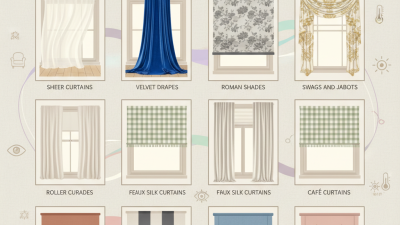
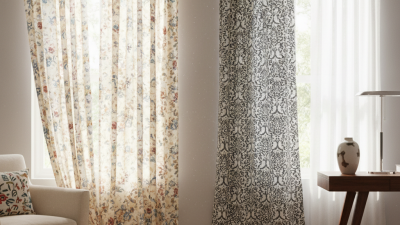
When you explore fabric for window shades, texture matters. From sheer to heavy fabrics, each option offers unique benefits. Sheer fabrics gently diffuse light, creating a soft ambiance. Conversely, heavier materials provide privacy and insulation. However, many people struggle with balancing style and practicality. While elegance is essential, neglecting functionality can lead to regrets later.
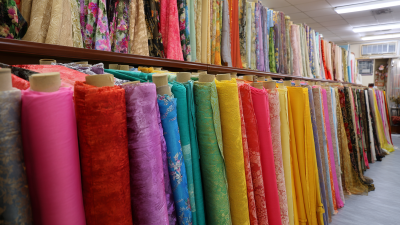
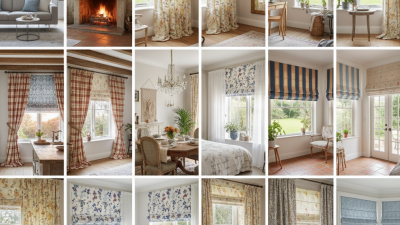
Keep in mind that colors and patterns also play a crucial role. They should complement your existing decor while reflecting your personal style. Sometimes, the most captivating choices may not work in your space. It's not always easy to visualize how fabric will appear once installed. Taking samples home can help clarify your decision. Ultimately, choosing fabric for window shades is not just about looks; it's about enhancing your living environment.
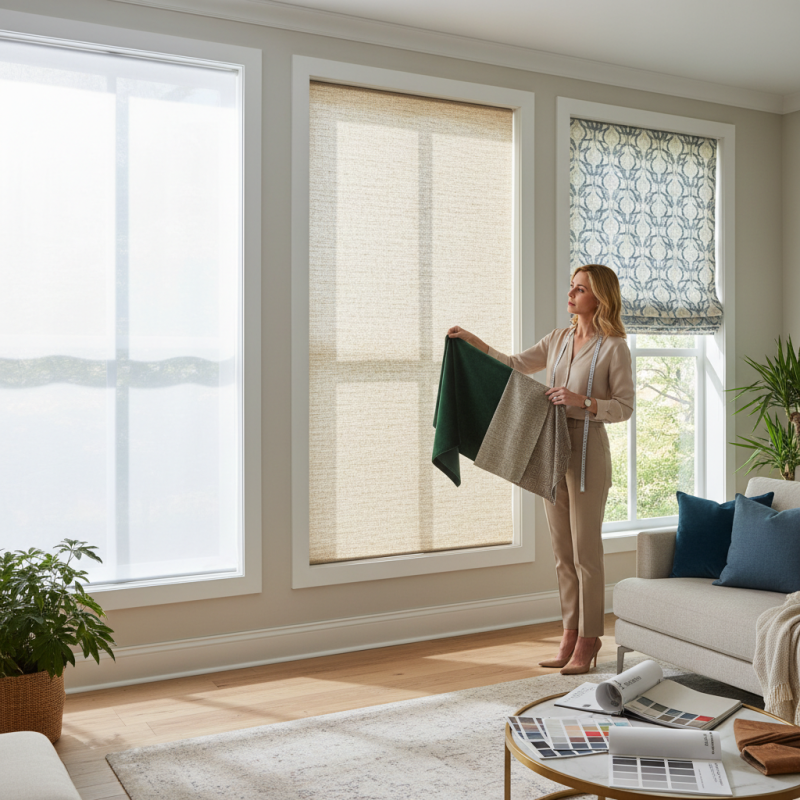
Understanding Different Types of Fabrics for Window Shades
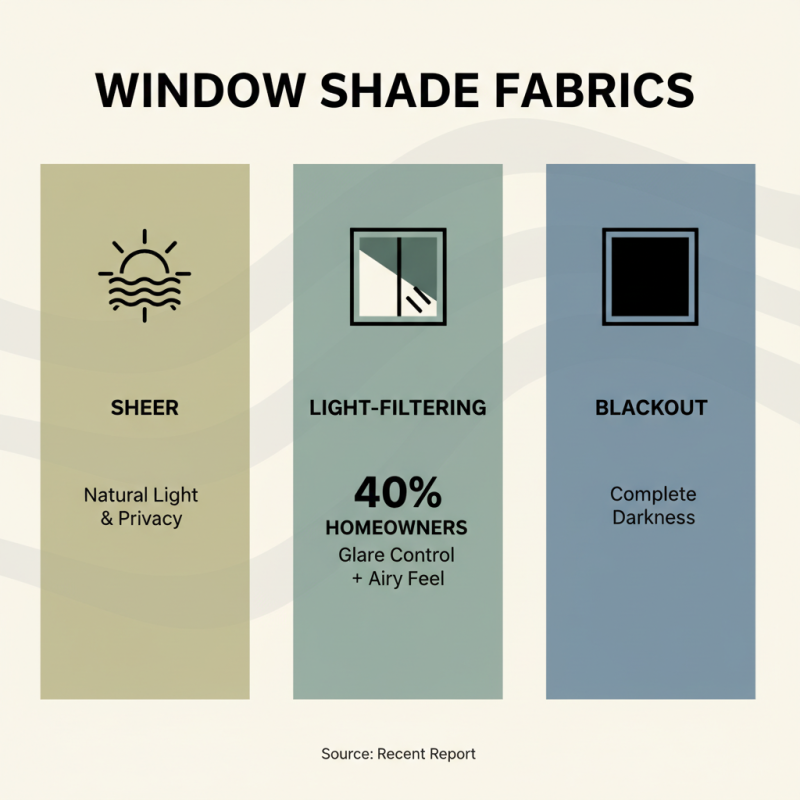
When choosing fabrics for window shades, understanding the options is crucial. Common fabrics include sheer, blackout, and light-filtering materials. Sheer fabrics allow natural light while offering some privacy. According to a recent report, 40% of homeowners prefer light-filtering options for their living spaces. This helps create an airy feel, yet still controls glare.
Blackout fabrics are ideal for bedrooms or media rooms. They block out nearly all light, ensuring better sleep quality. Studies show that 35% of people report improved sleep when using blackout shades. However, these fabrics may make a room feel darker, limiting natural light during the day. Light-filtering fabrics may produce a more balanced atmosphere, though they might not provide complete privacy.
Consider texture and thickness too. Heavier fabrics can insulate against heat and cold. However, they may be challenging to clean and can weigh down the entire shade. Lighter fabrics are easier to maintain but may not offer the same insulation benefits. Finding the right balance requires careful thought. Explore various materials and think about how they match your lifestyle and aesthetics.
Evaluating Light Control and Privacy Levels in Fabric Selection
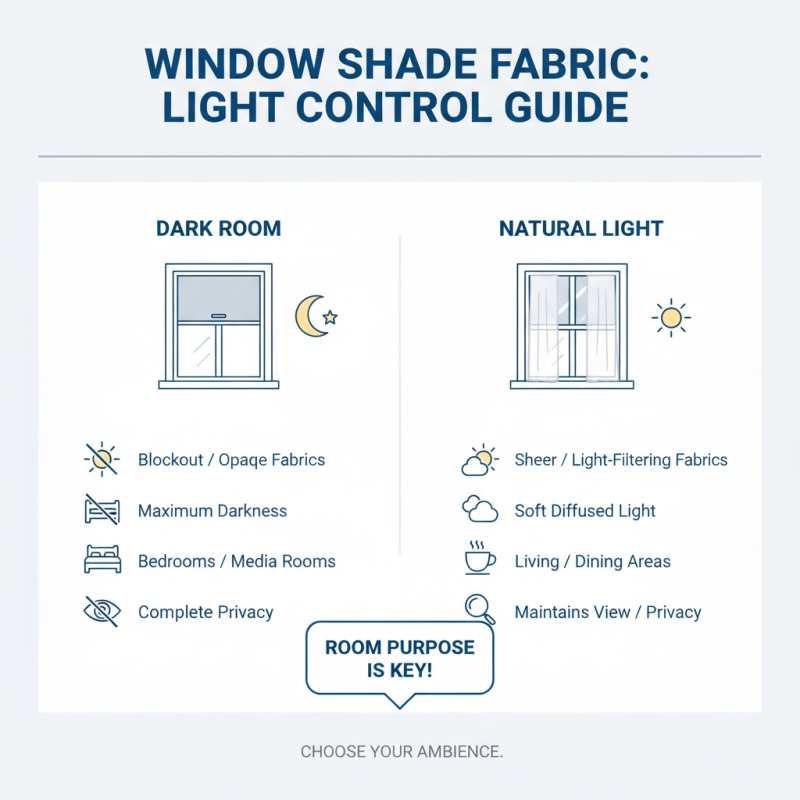
When selecting fabric for window shades, light control and privacy are essential factors. According to a recent industry report, over 70% of consumers prioritize these elements in their decisions. Fabrics can range from sheer to blackout, affecting how much light enters a room. Sheer fabrics allow diffused light, offering a bright and airy feel. However, they offer limited privacy, especially at night.
On the other hand, blackout fabrics provide complete light blockage, perfect for bedrooms. They ensure privacy during the day and night. Yet, extreme darkness may feel oppressive in smaller spaces. It's a balancing act. In a survey, 65% of participants stated they found choosing the right fabric overwhelming. Many reported frustration with the numerous options available.
Textures also play a role. Textured fabrics can add depth and interest to a room. Yet, they may not block light as effectively as smoother options. Those seeking privacy might find it challenging to match aesthetics with functionality. The diversity in patterns means there's an almost endless selection. Finding that perfect blend takes time and consideration.
Assessing Durability and Maintenance of Window Shade Fabrics
When choosing fabric for window shades, durability and ease of maintenance are crucial. Fabrics vary greatly, impacting how they withstand daily wear. Natural fibers like cotton may feel soft, but they can fade faster than synthetic options. Synthetics like polyester resist stains but might not have the same aesthetic appeal. Think about your environment. High humidity areas require moisture-resistant materials.
Maintenance is another essential factor. Some fabrics are machine washable, while others need dry cleaning. Consider how often you will clean them. Dust and dirt can accumulate, affecting the look of your shades. It’s easy to overlook regular cleaning routines. Opt for fabrics that can be easily dusted or wiped down. This can save time and effort down the line.
Review the fabric's ability to endure sunlight and temperature changes. Some materials may warp or discolor over time. It's also important to check care instructions before making a decision. Even with all precautions, sometimes a fabric will surprise you. It can help to seek advice or read reviews from others. Be ready for some trial and error in your choices.
How to Choose the Best Fabric for Window Shades? - Assessing Durability and Maintenance of Window Shade Fabrics
| Fabric Type |
Durability (Years) |
Maintenance Level |
Light Filtering |
Water Resistance |
| Cotton |
5-7 |
Low |
Medium |
No |
| Polyester |
7-10 |
Medium |
High |
Yes |
| Linen |
4-6 |
Low |
Medium |
No |
| Silk |
3-5 |
High |
Low |
No |
| Blackout Fabric |
10+ |
Medium |
High |
Yes |
Styling and Aesthetic Considerations for Fabric Window Shades
When selecting fabric for window shades, aesthetic and styling considerations play a key role in home design. A report from the American Society of Interior Designers indicates that over 75% of designers prioritize fabric choices based on color and texture. The right fabric can transform a room’s ambiance, adding warmth or coolness, depending on the desired mood. Soft, flowing materials can create a serene atmosphere, while structured fabrics can lend sophistication.
Choosing the appropriate pattern is equally crucial. Solid colors offer versatility but might lack visual interest. On the other hand, bold patterns can make a strong statement. According to industry trends, geometric patterns are becoming increasingly popular, appealing to modern sensibilities. It's important to reflect on how these choices complement existing décor. Remember not to overcrowd a space with too many competing elements.
Additionally, light-filtering capabilities of fabrics should not be overlooked. Sheer fabrics diffuse sunlight softly, while thicker materials provide privacy. For instance, blackout fabrics ensure complete darkness. Data from market research highlights a growing demand for versatile fabrics that strike a balance between style and functionality. A thoughtful selection can enhance both comfort and visual appeal in your living space.
Fabric Choices for Window Shades: Popularity and Aesthetic Appeal