
Blog

2026 Top PP Woven Bag Suppliers for Global Buyers?

Global buyers are reassessing every PP Woven Bag supplier, not merely comparing quoted prices. This shift reflects tighter procurement controls, rising freight costs, and stronger sustainability expectations. Grand View Research has identified steady growth in the global woven polypropylene bags market, supported by demand from agriculture, construction materials, chemicals, and food processing. Its market analysis points to expanding applications and continued regional manufacturing investment. Exact market values differ between research firms, however. That difference deserves attention.

Smithers’ packaging studies also emphasize lightweighting, material efficiency, recyclability, and supply-chain performance. These factors are practical, not decorative. A bag can look inexpensive while creating hidden costs through seam failures, poor lamination, inconsistent GSM, or delayed loading. Buyers should inspect factory audits, resin specifications, tensile-test records, printing accuracy, and batch traceability. A warehouse floor often reveals more than a polished catalogue. Torn corners and uneven stitching are difficult to ignore.

Packaging specialist Dr. Susan Selke has stressed, “Packaging is a system, not just a container.” That principle fits PP Woven Bag sourcing perfectly. The product must survive filling, stacking, moisture exposure, transport, and final handling. Leading suppliers therefore combine controlled extrusion, reliable circular looms, calibrated coating lines, and documented quality checks. Still, no supplier is perfect. Claims about sustainability may require deeper verification, especially when recycled content, food-contact use, or export compliance is involved. This guide compares prominent PP Woven Bag suppliers for global buyers, while recognizing that the best choice depends on application, destination, volume, testing requirements, and total delivered cost.
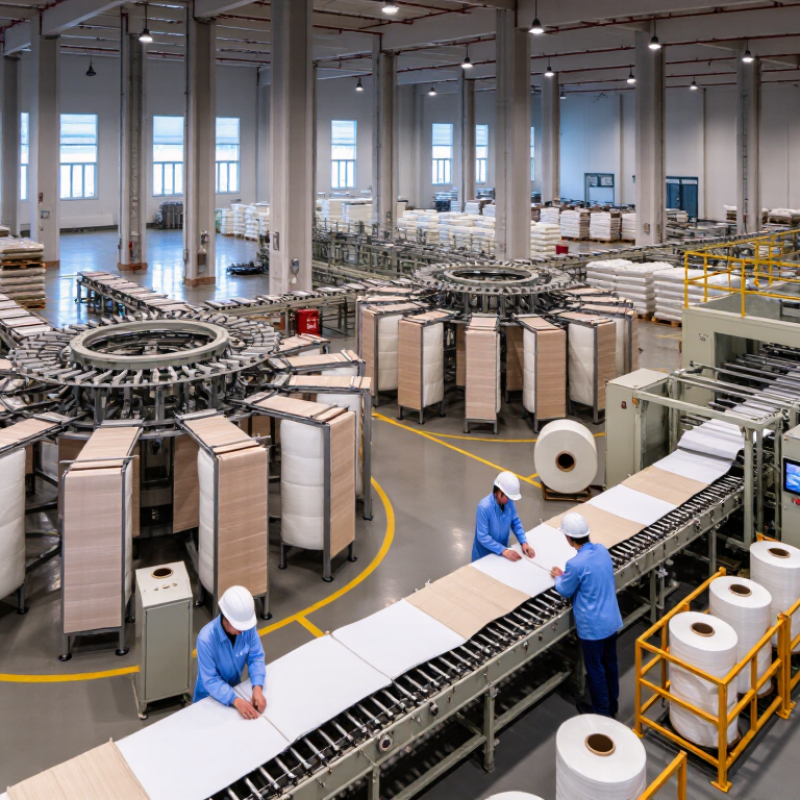
2026 Top PP Woven Bag Suppliers for Global Buyers?

What Are PP Woven Bags and Why Do Global Buyers Use Them?

What Are PP Woven Bags and Why Do Global Buyers Use Them?

PP woven bags are made from polypropylene tapes woven into a strong fabric. The material is light, moisture-resistant, and suitable for rice, fertilizer, animal feed, and mineral products. Their woven structure spreads pressure across the surface. This reduces tearing during stacking and transport.

Global buyers value practical efficiency. A 50-kilogram bag can remain stable on a pallet while using relatively little material. PlasticsEurope reports that polypropylene has a density of about 0.90 g/cm³, helping reduce packaging weight. The OECD’s Global Plastics Outlook recorded 460 million tonnes of global plastic production in 2019. Packaging represented about 40% of total plastic use. This explains the demand for lighter industrial packaging, but it also raises responsibility concerns. PP woven bags are not automatically sustainable. Recycling depends on clean collection, sorting, and local processing capacity. Real conditions matter.

Tips: Check fabric weight, seam strength, coating, and tested load capacity. Ask for drop-test results, not only attractive samples. For humid cargo, laminated surfaces may help, although they can complicate recycling. Print fewer colors when possible. Keep bags dry and away from sharp pallet edges. Small details prevent expensive failures. A stronger bag is not always the best bag. Overdesign increases material use and transport weight. Suppliers should match construction with the product, route, climate, and stacking period.

How to Evaluate PP Woven Bag Suppliers in 2026

2026 Top PP Woven Bag Suppliers for Global Buyers

How to Evaluate PP Woven Bag Suppliers in 2026

Supplier evaluation should begin with evidence, not attractive catalogs. Ask for resin origin, recycled-content declarations, GSM records, and batch-level traceability. OECD’s 2022 Global Plastics Outlook reports plastics production reached 460 million tonnes in 2019, up from 234 million tonnes in 2000. This scale makes material consistency more than a purchasing detail. Request incoming-resin inspection, melt-flow data, and retained samples. Small gaps become costly.

Quality claims should match recognized test methods. For heavy-duty sacks, check tensile strength, seam integrity, drop performance, and dimensional stability under humidity. ISO 21898 specifies performance requirements and test methods for flexible intermediate bulk containers, where applicable. Do not accept one certificate as proof. A certificate can be outdated. Independent pre-shipment inspection should compare production samples with the approved specification. Ask for failure records too. They reveal whether corrective action is real or merely promised.

Reliable suppliers disclose lead times, production capacity, tooling limits, and packaging controls before receiving an order. Compare at least three recent batches, not only one perfect sample. Check print registration, liner fit, stitching density, pallet wrapping, and moisture protection during loading. OECD also states that packaging represents about 40% of plastic waste, so design choices deserve scrutiny. Ask whether unnecessary layers can be removed without reducing protection. No checklist is perfect. Document exceptions, question optimistic promises, and review weak points before scaling purchases.

Key Product Standards, Materials, and Customization Options

2026 Top PP Woven Bag Suppliers for Global Buyers?

Key Product Standards, Materials, and Customization Options

Selecting a 2026 PP woven bag supplier requires more than comparing catalog prices. Polypropylene should match the load, filling method, storage climate, and transport cycle. PlasticsEurope reported 400.3 million tonnes of global plastics production in 2022. This shows the material system’s enormous scale. Yet volume does not prove quality.

Ask for resin specifications, denier, fabric GSM, seam strength, elongation, and batch traceability. Recycled PP may reduce virgin resin demand, but the OECD’s Global Plastics Outlook reports that only 9% of plastic waste was recycled globally in 2019. Request verified recycled-content percentages and contamination-control records.

Standards should be written into the purchase specification.

ISO 21898:2004 covers flexible intermediate bulk containers, including construction, testing, and performance requirements. It may not fit every small woven sack. Do not accept a certificate without checking its scope.

Request drop, tensile, seam, compression, and UV-aging test results. Test the seams. A bag can look excellent yet fail after repeated handling.

For food-related uses, obtain destination-market food-contact documents, migration evidence, and clean production records.

Customization affects performance and cost.

Options include coated fabric, inner liners, gussets, valve openings, anti-slip treatment, UV stabilizers, and printed panels. Specify dimensions after filling, not only flat measurements.

Confirm tolerances, stitch density, handle design, pallet pattern, and moisture barriers. A pilot order is wiser than a large commitment.

Supplier audits should compare approved samples with mass production. Color and fabric stiffness can drift.

The uncomfortable detail is simple: the cheapest quote often excludes controls that protect the shipment.

Top PP Woven Bag Suppliers for International Procurement

For international procurement, top PP woven bag suppliers are not chosen by price alone. Buyers should assess production experience, material consistency, and export reliability. A capable supplier can explain fabric denier, bag dimensions, coating options, stitching methods, and safe working load clearly.

Request samples before placing a large order. Check the weave under strong light. Test seam strength, handle attachment, printing clarity, and moisture resistance. Ask for recent inspection records, material declarations, and batch traceability. Independent testing can confirm performance claims. Supplier audits should review machinery, worker safety, quality controls, and packing conditions. Small details matter.

Communication is equally important. Confirm tolerances, pallet plans, container loading, payment terms, delivery schedules, and agreed Incoterms in writing. A responsive supplier usually identifies risks early, but responsiveness alone proves little. No supplier is perfect. A sample may pass while mass production varies slightly. I would include inspection rights and corrective-action procedures in the purchase contract. Buyers should also review import rules in the destination market, especially labeling, recycled-content claims, and packaging requirements. The best supplier is the one that fits the application, documents its process, and accepts reasonable verification. Low cost can hide expensive delays.

2026 Top PP Woven Bag Suppliers for Global Buyers? - Top PP Woven Bag Suppliers for International Procurement

Procurement Dimension Common International Specification Typical Commercial Range or Requirement Buyer Verification Point
Bag construction Polypropylene woven fabric made from tape yarns, with optional inner or outer lamination Unlaminated for breathable dry goods; laminated when improved moisture and dust resistance is required Confirm fabric construction, laminate location, seam design, and drawing approval before production
Typical bag capacity Small sacks, standard industrial sacks, and large bulk bags Approximately 5–50 kg for conventional sacks; approximately 500–2,000 kg for FIBCs, depending on design Match rated capacity with product density, filling method, stacking height, and transport conditions
Fabric weight Selected according to bag size, filling weight, seam strength, and handling conditions Common woven sack fabrics are often specified around 55–120 g/m²; heavier structures may be used for demanding applications Request GSM test results and verify tensile strength in both warp and weft directions
Printing capability Flexographic or rotogravure printing on woven fabric or laminated surfaces Usually 1–8 colors, subject to artwork, print repeat, ink system, and surface treatment Approve a color proof and define acceptable color tolerance, artwork format, and print position
Closure options Open mouth, heat-cut, sewn hem, valve, drawstring, stitched flap, or heat-sealed closure Selected according to filling equipment, product flow, tamper requirements, and discharge method Check compatibility with automatic filling and palletizing equipment
Common applications Rice, flour, animal feed, seeds, fertilizer, chemicals, minerals, construction materials, and recycling products Food, agricultural, chemical, and industrial applications require different material and cleanliness controls Declare the product type, contact conditions, hazard classification, and storage environment
Food-contact suitability Requires controlled raw materials, suitable inks and coatings, hygiene procedures, and destination-market documentation No universal global approval; requirements vary by importing country and intended food use Request a declaration of compliance, migration test data where applicable, and raw-material traceability
Quality-control tests Dimensions, weight, fabric strength, seam strength, drop performance, printing quality, and visual defects Inspection criteria should be agreed in a technical specification before mass production Use pre-production samples, in-process inspection, and pre-shipment inspection with documented acceptance limits
Recycled-content option Virgin PP, controlled post-industrial recycled PP, or other approved recycled-content formulations Use percentage and source of recycled content as defined in the purchase specification Request mass-balance or recycled-content evidence when environmental claims are required
Standard export packing Compressed bundles, woven outer packaging, cartons, or pallets depending on bag size and destination Packing quantity is determined by bag dimensions, container loading plan, and moisture-protection needs Confirm bundle quantity, pallet method, gross weight, container utilization, and shipping marks
Lead-time planning Production timing depends on raw-material availability, printing complexity, quantity, inspection, and port schedule A practical planning window is often 3–8 weeks after artwork, specifications, and samples are approved Obtain a written production schedule and separate manufacturing time from transit time
International trade documents Commercial invoice, packing list, transport document, certificate of origin where required, and product-specific declarations Document requirements depend on Incoterms, destination country, customs rules, and product application Agree Incoterms, HS classification, document format, and importer-of-record responsibilities before shipment

Note: Commercial ranges are general industry planning references. Final specifications should be confirmed through approved samples, technical drawings, applicable destination-market regulations, and a signed purchase specification.

How to Compare Prices, Certifications, and Shipping Services

When comparing PP woven bag suppliers in 2026, start with a clear price structure. Request the cost per bag, fabric weight, size, printing method, liner, stitching, and minimum order quantity. A low quote may exclude pallet fees or export packaging. Ask for both FOB and CIF prices. This reveals the real difference between factory cost and delivered cost. Request a physical sample too. A bag that looks strong online may feel thin during filling tests.

Certifications require careful checking. Ask for current copies of quality, environmental, and product-safety certificates. Confirm the certificate holder, testing scope, issue date, and issuing laboratory. For food-contact applications, verify that the certificate matches the actual material and intended market. Do not accept a logo alone. I have seen documents that looked convincing but covered a different product. That mistake can delay customs clearance and damage buyer trust. Supplier audits, inspection photos, and batch records provide stronger evidence.

Shipping service should be compared beside price, not after it. Check production time, port location, container loading plans, and document accuracy. Confirm whether the supplier manages booking, customs paperwork, and pre-shipment inspection. Ask how damaged cartons are handled. Small details matter. A reliable supplier gives realistic lead times and explains delays early. However, even careful estimates can change during peak seasons. Build a reasonable buffer, especially when bags support harvest, retail, or construction schedules. Evaluate communication quality throughout the quotation process. Slow replies may become bigger problems after payment.

Article Source: